
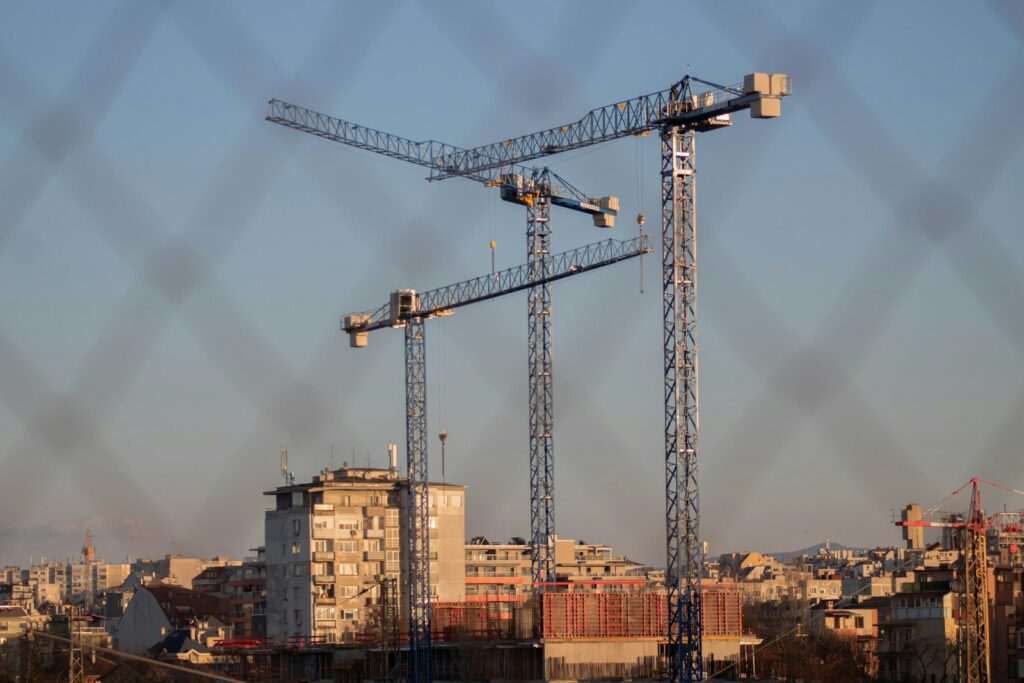
A construction site holds a lot of value in a small space. Tools, copper wire, fuel, lumber, generators, and heavy equipment often sit behind a temporary fence with no one around from late afternoon until the crew returns the next morning. For general contractors, developers, and property owners, that gap is where most of the risk lives.
As the days get shorter and projects head into the holiday stretch, sites go dark earlier and often sit idle for longer periods around Thanksgiving, Christmas, and New Year’s. This is a good time to take a hard look at how your jobsite is protected after hours, and whether the plan you have in place actually covers the hours when no one is watching.
Why Construction Site Theft Matters
Theft on a jobsite is rarely just the cost of the item that went missing. When a generator, a pallet of copper wire, or a set of cordless tools disappears overnight, the real damage usually shows up in the schedule. Crews arrive to find they cannot start work, replacement materials have to be ordered, and subcontractors get pushed back. One bad night can ripple through an entire project timeline.
There are other costs, too. Repeated losses can affect insurance claims and premiums. Vandalism, graffiti, and damage to partially finished structures create rework. And an open, unwatched site can attract trespassers who get hurt on the property, which raises liability concerns for the contractor and the owner.
Most of these problems share the same root cause: a site that looks unattended. A visible, consistent security presence changes that picture.
How Professional Security Helps Protect a Jobsite
1. A Visible Presence After Hours
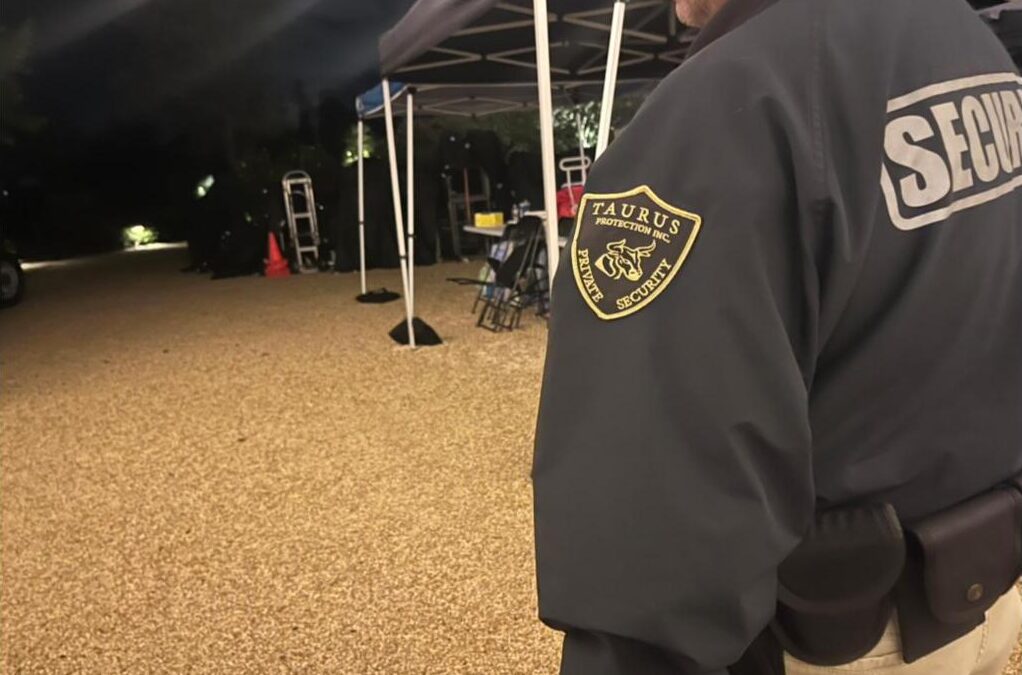
The simplest deterrent is someone being there. A uniformed officer on site, or a marked patrol vehicle that shows up at unpredictable times, tells anyone sizing up the property that it is being watched. Our construction site security services are built around covering the hours when your crew is gone, including nights, weekends, and holiday shutdowns.
2. Perimeter and Access Control
Fences, gates, and locks only work if someone checks them. Officers can verify that gates are secured at the end of the day, inspect fence lines for cuts or gaps, and control who enters the site during working hours. On larger projects, a uniformed security officer at the gate can log deliveries and visitors so the site supervisor knows who was on the property and when.
3. Mobile Patrols for Multiple or Smaller Sites
Not every project needs an officer posted all night. For smaller sites, or for builders running several projects in the same area, mobile patrol services provide scheduled and randomized checks throughout the night. Each visit includes a walk of the perimeter, a check on equipment and storage, and a report of anything unusual.
4. Remote Video Monitoring Paired With Response
Cameras on their own record what happened. Cameras watched by a live operator can help stop it while it is happening. Virtual security monitoring lets trained operators observe the site in real time, issue audio warnings, and coordinate with patrol officers or law enforcement when needed. Many contractors find that combining monitoring with periodic patrols gives them strong coverage at a manageable cost.
5. Documentation You Can Use
Good security produces a paper trail. Officer reports, patrol logs, and incident documentation help you track patterns, support insurance claims, and show lenders or owners that the site is being managed responsibly. If something does happen, a clear report written the same night is far more useful than trying to piece events together days later.
6. Fire Watch When Systems Are Down
Construction sites and buildings under renovation sometimes have fire alarm or sprinkler systems that are incomplete or temporarily offline, especially during hot work like welding and cutting. When a fire marshal or insurer requires coverage, fire watch services provide trained personnel who patrol the area and document conditions until systems are restored.
A Practical Jobsite Security Checklist
Security officers are one layer. These everyday habits make every other layer work better:
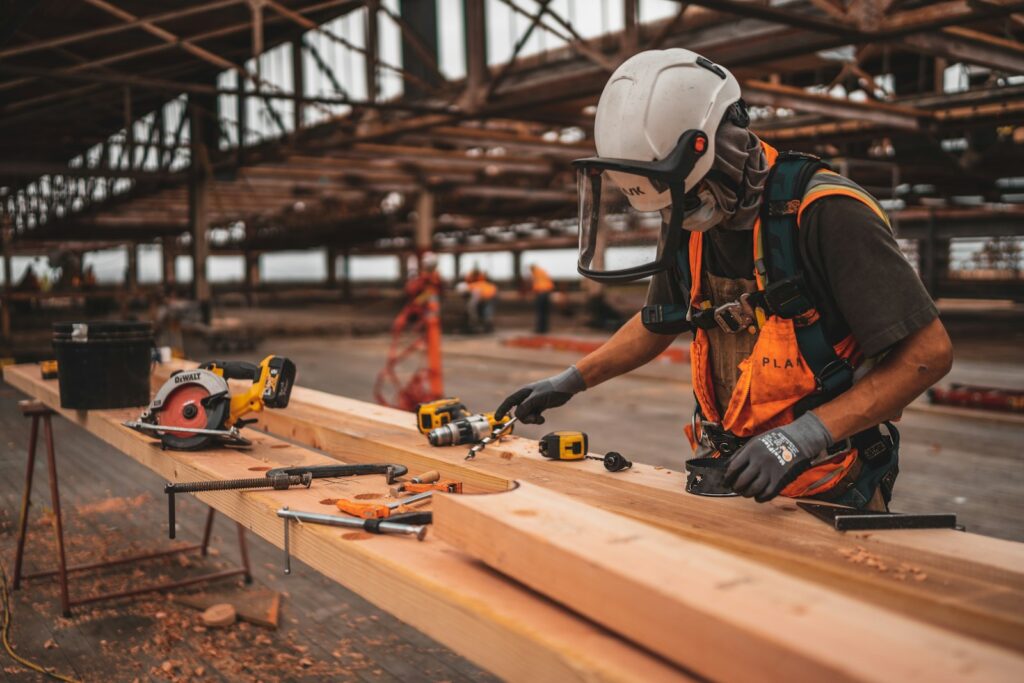
- Lock up tools every night. Use locked job boxes or containers, and avoid leaving cordless tools and batteries in open trailers or truck beds.
- Keep an equipment inventory. Record serial numbers and take photos of tools, generators, and machinery so losses can be identified and reported quickly.
- Disable and secure heavy equipment. Remove keys, use immobilizers where available, and park machinery together in a well-lit area rather than spread across the site.
- Schedule deliveries carefully. Try not to have copper wire, appliances, or high-value materials delivered long before they will be installed.
- Light the site. Good lighting around storage areas, gates, and equipment makes the site harder to approach unnoticed.
- Post clear signage. No-trespassing and monitoring signs reinforce that the property is watched.
- Walk the fence line. Check daily for cuts, gaps, or loose panels, and repair them right away.
- Plan for holiday shutdowns. Decide ahead of time who is responsible for the site when work pauses for several days in a row.
Security Built Around Your Project
Every jobsite is different. A single-family custom home in Montecito has different needs than a multi-building commercial project in Los Angeles County or a fast-growing development in North Texas. The right plan depends on the size of the site, what is stored there, how long the project will run, and the hours when the property is most exposed.
At Taurus Protection Inc., we start by looking at your site and your schedule, then recommend the right mix of on-site officers, patrols, and monitoring. For some projects that means a dedicated unarmed security officer overnight. For higher-value sites or specific risk concerns, armed security may be appropriate. Coverage can also scale up or down as the project moves from groundwork to framing to finish work.
We serve contractors and developers throughout Santa Barbara County, Ventura County, Los Angeles County, North County San Diego, and North Texas, including Frisco, Plano, and McKinney.
If your project is heading into the holiday season without a clear after-hours plan, now is the time to put one in place. Contact Taurus Protection Inc. to request a construction site security assessment and we will help you build coverage that fits your site and your budget.
Frequently Asked Questions
What is the most commonly stolen equipment from construction sites?
Items that are easy to carry and easy to resell tend to be the most vulnerable, including cordless power tools, batteries, generators, copper wire, and small equipment. Larger machinery can also be targeted, which is why disabling and securing heavy equipment matters.
Do I need a guard on site all night, or is a patrol enough?
It depends on the size of the site and what is stored there. Smaller sites with limited materials are often well served by mobile patrols, sometimes combined with remote video monitoring. Larger projects, sites with high-value materials on hand, or locations with a history of problems usually benefit from an officer on site.
Can security coverage change as the project progresses?
Yes. Many contractors start with lighter coverage during early site work and increase it once materials, appliances, and finishes are delivered. We can adjust officer hours, patrol frequency, and monitoring as the project’s needs change.
Is Taurus Protection Inc. licensed?
Yes. Taurus Protection Inc. is a licensed private patrol operator in California (PPO 120624). Our officers are vetted and trained, and we provide clear reporting so you always know what is happening on your site.