
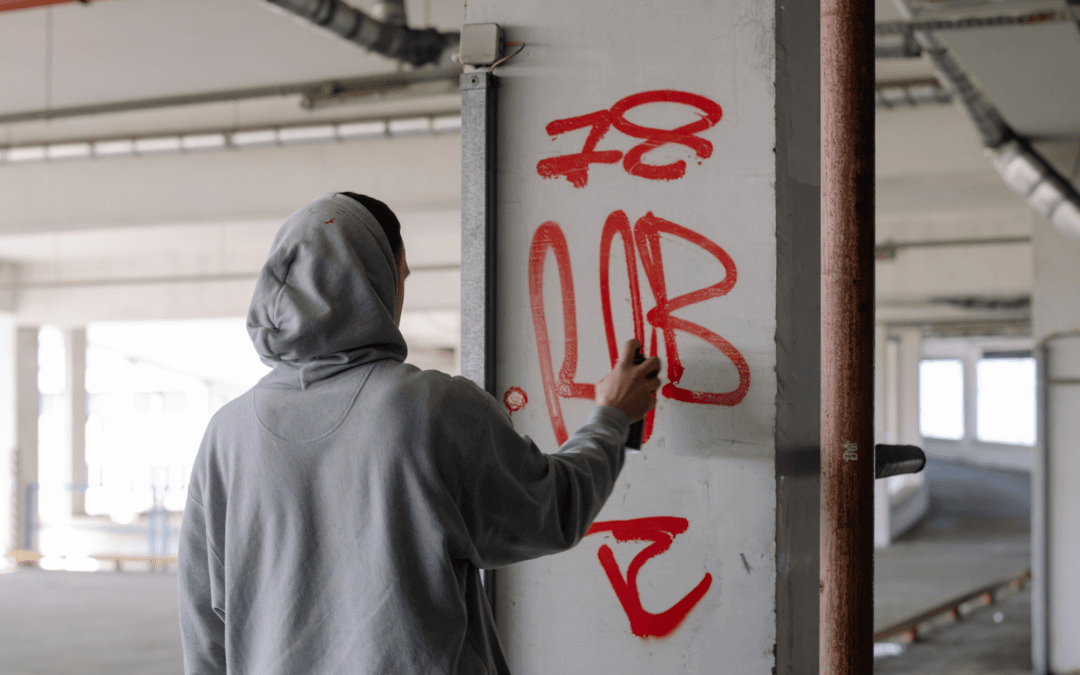
Vandalism and trespassing are two of the most common concerns for commercial properties, residential communities, apartment complexes, construction sites, HOAs, and other managed properties. These issues can create property damage, resident or tenant complaints, liability concerns, and unnecessary stress for owners and managers.
Professional patrol security services can help reduce these risks by creating a visible, consistent security presence. While no security solution can guarantee that incidents will never happen, regular patrols can deter unwanted activity, identify concerns early, and provide valuable documentation when something does occur.
Why Vandalism and Trespassing Are Ongoing Concerns
Many properties have vulnerable areas that are difficult to monitor at all times. Parking lots, side entrances, shared amenities, vacant spaces, loading areas, gates, stairwells, and perimeter zones can attract unwanted activity, especially after hours.
Common issues may include:
- Graffiti
- Broken windows
- Damaged locks or doors
- Tampering with gates or access points
- Loitering
- Unauthorized entry
- Vehicle break-ins
- Damage to lighting, signage, or equipment
- Trespassing in restricted areas
- After-hours activity around buildings or common areas
For property managers and business owners, these concerns can quickly become costly and time-consuming if they are not addressed proactively.
Visible Patrols Can Help Deter Unwanted Activity
One of the primary benefits of working with a security patrol company is visibility. A marked patrol vehicle, uniformed officer, or consistent security presence can send a clear message that the property is being monitored.
People are less likely to engage in vandalism, trespassing, or suspicious activity when they know there is a chance of being observed, documented, or reported.
This type of visible deterrence is especially important for properties that experience recurring after-hours issues, have open parking areas, or include multiple buildings, entrances, or access points.
Patrols Help Identify Problems Early
Security patrols are not only useful after an incident has happened. They can also help identify issues before they become larger problems.
During patrols, officers may check:
- Doors and gates
- Parking areas
- Perimeter fencing
- Common areas
- Amenity spaces
- Lighting concerns
- Signs of forced entry
- Suspicious vehicles
- Unsecured access points
- Areas with prior incident history
When these concerns are caught early, property managers have a better opportunity to respond, make repairs, communicate with tenants or residents, and prevent repeat issues.
Patrols Can Be Scheduled or Randomized
Every property has different needs. Some locations benefit from scheduled patrols at specific times, while others may need randomized patrols to avoid predictable patterns.
Patrol services can be customized based on:
- Property size
- Hours of operation
- Prior incidents
- Tenant or resident concerns
- Parking lot activity
- Access points
- High-risk areas
- Desired visibility
- Budget
- Management goals
For many properties, a combination of scheduled and randomized patrols provides the best balance of consistency and deterrence.
Documentation Matters
When vandalism or trespassing occurs, clear documentation is important. Professional security officers can help create reports that include what was observed, when it occurred, where it happened, and what action was taken.
This documentation can help property managers, owners, HOA boards, or business leaders better understand patterns and make informed decisions.
Security reports may also be useful when communicating with law enforcement, insurance providers, tenants, residents, vendors, or internal management teams.
Patrols Support Property Managers and Business Owners
Managing vandalism and trespassing can take a significant amount of time. Property managers and business owners may be responsible for responding to complaints, reviewing camera footage, arranging repairs, communicating with tenants, and documenting what happened.
A professional patrol team can help provide another layer of support by monitoring the property, reporting concerns, and responding according to established protocols.
This allows management teams to stay better informed without having to personally handle every after-hours concern.
Patrol Services Are Flexible
One of the reasons patrol security services are a practical option is that they can be adjusted to fit the needs of the property.
Some properties may need evening patrols. Others may need overnight checks, weekend coverage, parking lot monitoring, gate checks, or increased presence during a specific period of concern.
For example, a business may request added patrols after repeated vandalism. An HOA may need patrol support around common areas. A construction site may need after-hours checks to discourage trespassing and equipment tampering.
The right security plan should be built around the property’s actual risks, not a one-size-fits-all schedule.
What Happens When an Incident Occurs?
When an incident occurs, officers follow the protocols established for that property. This may include observing and documenting the issue, contacting the appropriate point of contact, notifying law enforcement when necessary, completing an incident report, and taking any approved next steps based on the security plan.
Clear communication is key. Property managers should know how incidents will be reported, who will be notified, and what documentation will be provided.
A professional security patrol company should have defined procedures in place so incidents are handled consistently and appropriately.
Patrols Can Strengthen Overall Property Security
Security patrols work best when they are part of a broader property management strategy. In addition to patrol coverage, properties may benefit from improved lighting, camera systems, access control, signage, fencing, gate repairs, and clear resident or tenant communication.
Security officers can often help identify areas where these improvements may be needed. Over time, patrol reports can reveal patterns that help management better understand where vulnerabilities exist.
This makes patrol services valuable not only for deterrence, but also for long-term planning.
Choosing the Right Security Patrol Company
When selecting a security patrol company, it is important to choose a provider that is professional, responsive, properly licensed, and experienced with the type of property being protected.
Important qualities to look for include:
- Professional patrol officers
- Clear reporting process
- Flexible scheduling
- Local experience
- Reliable communication
- Marked patrol vehicles
- Proper licensing and insurance
- Ability to customize patrol routes
- Strong management oversight
- Experience with residential, commercial, HOA, or multifamily properties
A strong security partner should make the process easier for property owners and managers while providing a consistent, professional presence on-site.
A Proactive Approach to Vandalism and Trespassing
Vandalism and trespassing are easier to manage when properties take a proactive approach. Waiting until issues become repeated or costly can make them more difficult to address.
Professional patrol services can help deter unwanted activity, identify concerns early, document incidents, and support a stronger overall security plan.
Whether your property needs scheduled patrols, randomized patrols, after-hours checks, parking lot monitoring, or a customized patrol strategy, working with an experienced security team can help protect your property, reduce risk, and support greater peace of mind.
Frequently Asked Questions
Do patrols prevent crime?
No security solution can guarantee prevention, but visible patrols often help deter unwanted activity by making it clear that the property is being monitored.
Are patrols conducted randomly?
Patrols can be scheduled, randomized, or customized based on the property’s needs, prior concerns, hours of operation, and management goals.
What happens when an incident occurs?
Officers document, report, and respond according to established protocols. Depending on the situation, this may include notifying management, contacting law enforcement, and completing an incident report.