
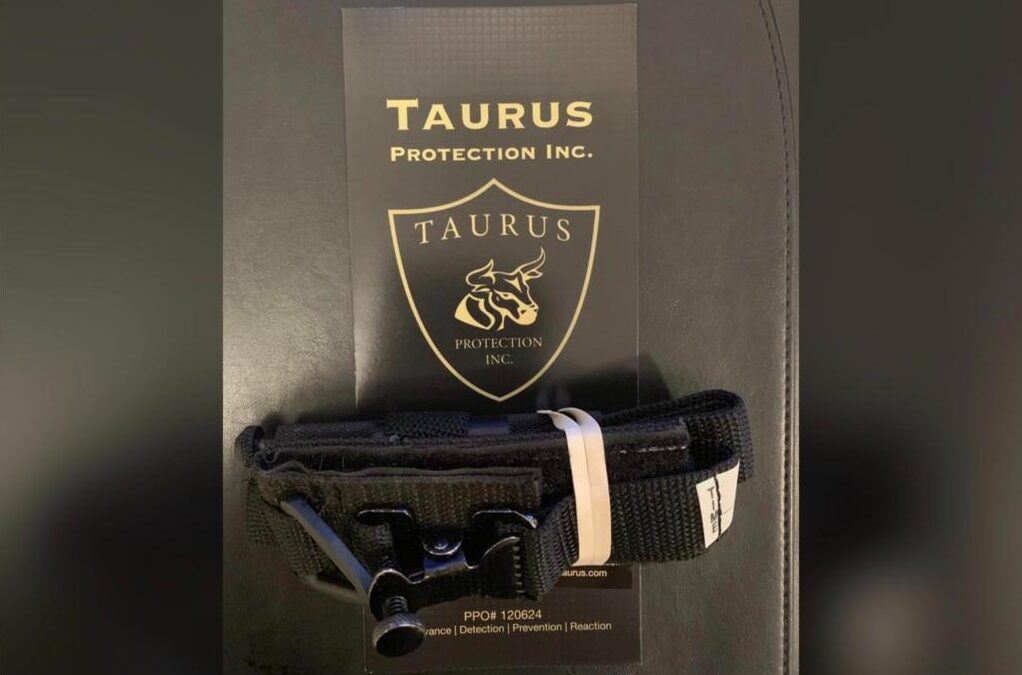
When someone is facing a life-threatening bleed, seconds matter. Carrying a tourniquet is a great start. But your gear is only as good as its condition, and one tourniquet is not always enough.
One Tourniquet Is Not Always Enough
A single tourniquet may not control severe bleeding on its own. Some injuries need a second tourniquet. Sometimes more than one person or limb is hurt at the same time.
That’s why carrying a backup isn’t over-preparing. It means you’re ready when someone’s life depends on you.
The Overlooked Problem: Equipment Cleanliness
Security officers, patrol drivers and first responders put their gear through a lot. Think about the weeks and months you’ve spent:
- Walking through dirt and mud on patrol
- Crawling around properties and tight spaces
- Working through rainstorms and standing water
- Exposing your belt and kit to heat, dust and the elements
Now imagine placing that same dirty, contaminated tourniquet on someone with a serious open wound.
Stopping life-threatening bleeding always comes first. Still, contaminated equipment can bring extra risks, including infection. Look at the condition of your tourniquet before an emergency, not during one.
Our Recommendations
- Carry more than one. Choose quality, purpose-built tourniquets.
- Protect them. Keep your tourniquets in a clean, quick-access pouch.
- Limit exposure. Keep your equipment away from dirt, moisture and harsh conditions when you can.
- Inspect them routinely. Check for damage, contamination and wear.
- Replace questionable gear. If a tourniquet is damaged or you’re not sure it will hold, replace it.
- Train before you need it. Know how to apply a tourniquet properly before an emergency happens.
A tourniquet doesn’t help anyone if it fails when you need it most.
Why This Matters for Santa Barbara Security Guards
Across Santa Barbara and Santa Barbara County, security guards are often the first trained people on scene at apartment complexes, construction sites, retail centers, HOAs, hotels and businesses. In a serious emergency, the first few minutes depend on the guard who is already there.
- Guards are often first on scene. Santa Barbara security guards on post or on mobile patrol may reach an injured person well before emergency crews arrive.
- Call 911, then act. Get emergency help on the way, then control the bleeding with a clean, working tourniquet.
- Gear lives a hard life on patrol. From coastal fog and winter rain to dusty job sites and long overnight shifts, a guard’s belt and kit take a beating. Inspect tourniquets often.
- Document and hand off. Note the time the tourniquet went on, and tell arriving paramedics what happened and what you did.
- Training is part of the job. A Santa Barbara security guard who knows how to stop severe bleeding is a real asset to every property they protect.
Preparedness Goes Beyond Carrying Equipment
At Taurus Protection Inc., preparedness means more than carrying equipment. It means maintaining it, understanding it and being able to use it when seconds count.
Whether you’re a security professional, law enforcement officer, first responder or responsible civilian, take your medical equipment seriously.
Carry it. Protect it. Inspect it. Know how to use it.
Want trained, prepared security professionals protecting your property? Contact Taurus Protection Inc. at (805) 871-9599 or info@taurusprotectioninc.com. We provide security response and monitoring 24/7.
Taurus Protection Inc. — Preparedness Is Not Optional.
Photo: A tourniquet is applied to an arm during a bleeding control kit training session. U.S. Air Force photo by Senior Airman Delano Scott (public domain). Use of this photo does not imply endorsement by the U.S. Air Force or Department of Defense.