
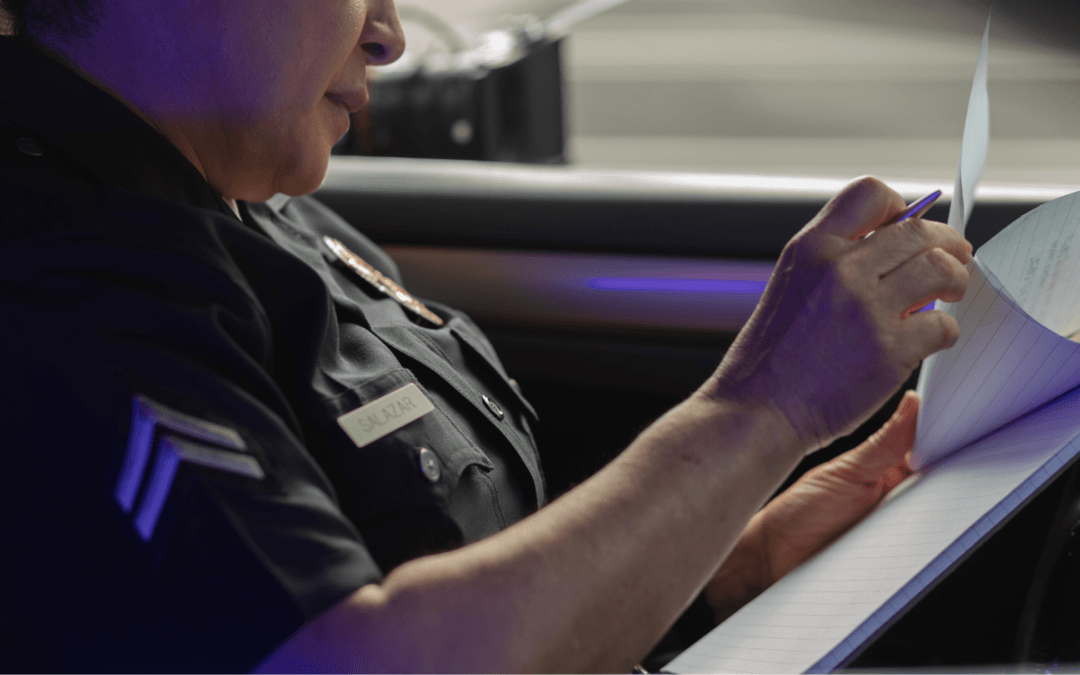
When businesses, communities, and property managers hire a professional security company, the visible presence of an officer or patrol vehicle is only part of the service.
What happens behind the scenes matters just as much.
Clear security reporting and consistent documentation provide accountability, create a record of activity, help identify recurring concerns, and give clients greater insight into what is happening on their property.
Without that documentation, it can be difficult to know whether patrols are addressing the right areas, when incidents are occurring, or whether security needs are beginning to change.
For Taurus Protection, professional security is not simply about being present. It is about being observant, communicating effectively, and providing clients with the information they need to make informed decisions.
Security Reporting Creates Accountability
If a property manager contracts for mobile patrol services, they should have confidence that those patrols are being completed according to the established security plan.
Documentation helps create that accountability.
Depending on the property and type of coverage, security reports can provide a record of patrol activity, observations, incidents, and other relevant information.
For property managers overseeing multiple responsibilities or locations, this becomes especially valuable. They cannot personally observe every patrol or be present at every property throughout the day.
Reporting provides another layer of visibility into the security program.
Documentation Helps Identify Patterns
An isolated incident may not immediately indicate a larger problem.
Repeated incidents can tell a very different story.
Imagine a security team repeatedly documenting unauthorized activity in the same area of a commercial property. An HOA may notice recurring parking concerns during certain hours. A residential community could experience repeated trespassing near the same access point.
When those incidents are properly documented, patterns become easier to recognize.
Management and the security provider can then evaluate whether changes should be made.
That could mean adjusting patrol times, increasing attention to a particular area, changing access procedures, or addressing a physical property concern.
This is where security reporting becomes more than recordkeeping. It becomes useful information that can help improve the overall security strategy.
What Should a Security Report Include?
The appropriate level of documentation depends on the property, client, and security program.
However, professional security reporting may include information such as:
- Date and time of activity
- Patrol completion
- Areas inspected
- Unusual or suspicious activity
- Unauthorized individuals or vehicles
- Trespassing concerns
- Parking issues
- Property damage
- Unsecured gates, doors, or access points
- Lighting or maintenance concerns
- Resident, tenant, or visitor interactions
- Actions taken by security personnel
- Incidents requiring management notification
- Follow-up recommendations when appropriate
Reports should be useful without becoming unnecessarily complicated.
The goal is to give the client a clear understanding of relevant activity and provide an accurate record when something requires additional attention.
Incident Reports Matter
Routine patrol reporting and incident reporting serve different purposes.
Daily or patrol documentation provides an ongoing picture of security activity. Incident reports provide more detailed documentation when a specific situation occurs.
When there is a trespassing incident, property damage, disturbance, access issue, or other security concern, accurate documentation helps establish what was observed and how the situation was handled.
A professional incident report should focus on factual observations rather than assumptions.
That distinction matters.
Clear, objective documentation helps management understand the circumstances surrounding an incident and provides a record that can be referenced later if questions arise.
Better Reporting Creates Better Communication
Security personnel are often the eyes and ears of a property during times when management is not present.
That makes communication between the security team and client extremely important.
A security officer might notice a gate that repeatedly fails to close, lighting that has gone out in a parking area, evidence of attempted unauthorized access, or an increase in activity in an unusual location.
Not every observation constitutes an emergency, but it may still be valuable information for the property manager.
Professional reporting creates a consistent channel for communicating those observations.
Rather than relying on informal conversations or waiting for a major incident to occur, management receives information that can help them address smaller concerns proactively.
Reporting Is Especially Valuable for Mobile Patrol Services
Mobile patrol services are an effective option for many HOAs, residential communities, commercial properties, and multi-location portfolios.
Because an officer is not necessarily stationed at the property continuously, documentation becomes particularly important.
Property managers should be able to understand what is occurring during those visits.
Depending on the security plan, patrol documentation can provide insight into:
- When patrols occurred
- Which areas received attention
- What the officer observed
- Whether anything unusual occurred
- What action was taken when necessary
This gives clients greater confidence that their security program is being actively managed rather than simply providing occasional visibility.
Documentation Can Help Security Programs Evolve
The needs of a property can change over time.
A community may experience new concerns. A commercial property may change tenants. Construction may temporarily alter access points. Seasonal activity may create different traffic patterns. A previously quiet area may begin experiencing recurring incidents.
Consistent documentation creates a history that can help inform future decisions.
Instead of relying entirely on memory or anecdotal concerns, the client and security provider can evaluate documented activity and determine whether adjustments are appropriate.
A strong security patrol company should be willing to use that information to refine its approach as client needs evolve.
Professionalism Extends Beyond the Uniform
Professional security personnel should look and act the part, but professionalism does not end with appearance.
It also includes:
- Arriving prepared
- Understanding post orders and expectations
- Remaining observant
- Communicating appropriately
- Following established procedures
- Documenting relevant activity
- Escalating concerns when necessary
- Maintaining accountability
These operational details are often what separate a dependable long-term security partner from a company simply providing personnel.
For property managers and business owners, that difference can have a significant impact on the overall experience of managing security.
What Property Managers Should Ask About Reporting
When evaluating professional security services, ask prospective providers how reporting and documentation are handled.
Useful questions include:
- How are patrols documented?
- What information will management receive?
- How are incidents reported?
- Who is notified when a significant issue occurs?
- Can reports help identify recurring problems?
- How are concerns communicated between security personnel and management?
- How does the company use reporting to adjust security coverage?
The answers can reveal a great deal about how the company operates once officers are deployed.
Security is ultimately a service built on trust. Transparent reporting helps reinforce that trust with accountability and communication.
Security You Can See and Service You Can Verify
At Taurus Protection Inc., we believe effective security requires more than simply placing personnel on a property.
Our approach emphasizes professional personnel, responsive management, clear communication, and security programs tailored to the individual needs of the clients and communities we protect.
From mobile patrol and HOA security to commercial property coverage and other professional security services, documentation helps ensure our clients remain informed and our team remains accountable.
If you are evaluating your current security provider or looking for a security partner that prioritizes professionalism and communication, Taurus Protection can help.
Schedule a security assessment with Taurus Protection today.
Frequently Asked Questions
Why is incident reporting important?
Incident reporting creates a factual record of security-related activity, including what was observed, when an incident occurred, and how personnel responded. It also gives management information that can be referenced when evaluating recurring concerns or determining whether changes to the security plan are needed.
What information is included in security reports?
Reporting varies depending on the property and security program but may include patrol activity, observations, incidents, access concerns, property damage, suspicious activity, interactions, actions taken, and recommendations requiring management’s attention.
Do clients receive security reports?
Reporting procedures depend on the individual service agreement and the client’s needs. A professional security program should establish clear expectations regarding what is documented, how information is communicated, and when management is notified of significant activity.